01
We accompany without imposing
Your vision guides the process. We provide clarity, judgement, and the questions you haven't asked yet.
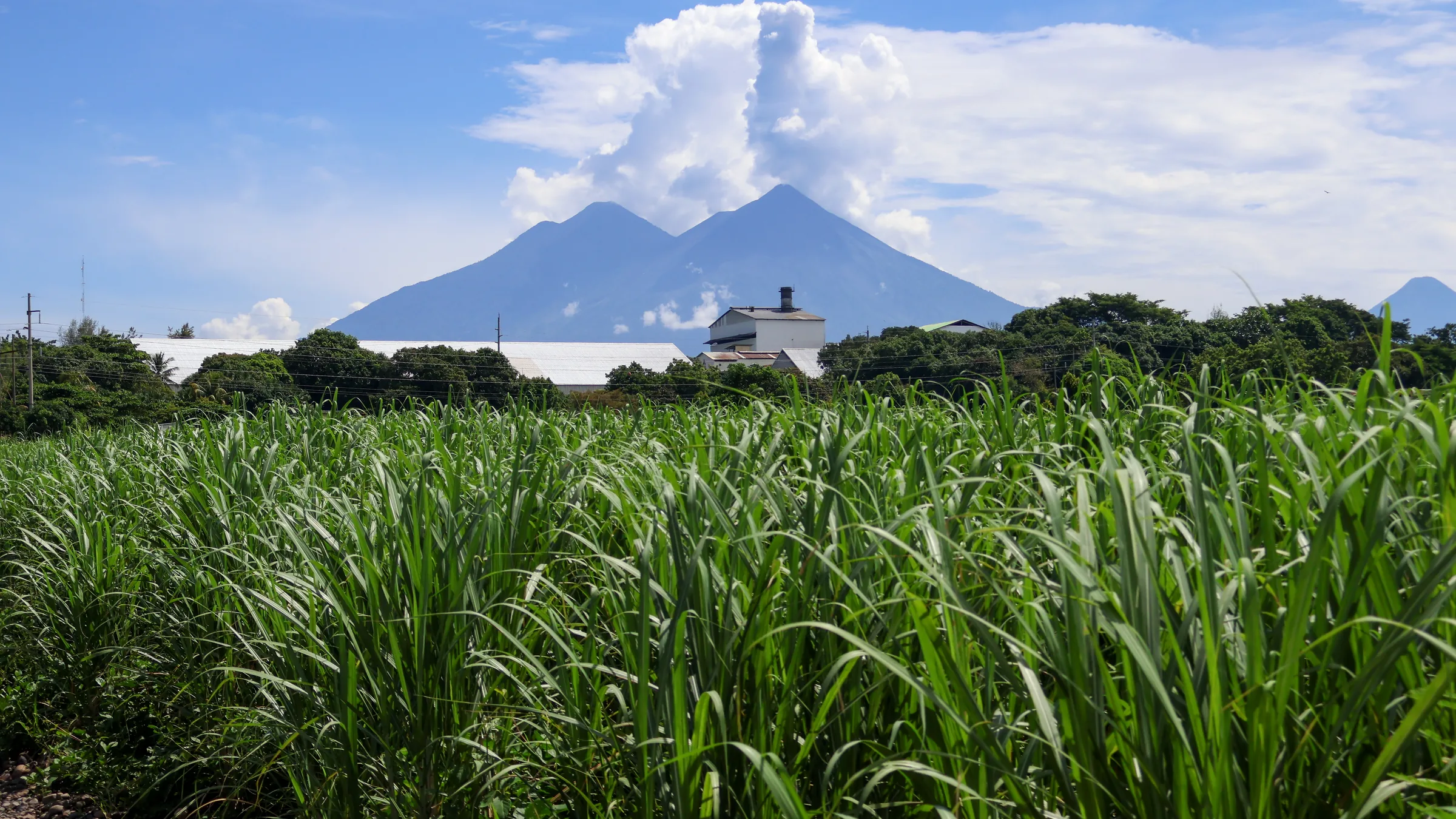
The most valuable decisions about land are rarely the most obvious ones. That's why we exist: to see the potential a site won't show at first glance.
Where others see a trade-off between profitability and positive impact, we see a single project. They don't compete — they coexist.
We start by listening.
What do I do with my property?
Where do I start to make it profitable?
How do I know if it's worth it?
What should I build?
For whom?
How do I turn it into a legacy?
I have a masterplan — where do I begin?
Conventional means choosing: either the numbers or the creativity. We operate in both at once — backed by proprietary tools like GeoCubo and a track record of +250 clients. That's why every project starts by listening and ends in a solution tailored to the landowner.
Territorial intelligence built on raw data. We process socioeconomic, demographic, and market variables to produce quantitatively grounded diagnostics.
Data without interpretation is noise. We use creative frameworks to transform quantitative findings into actionable strategies, unique to each context and client.
Your vision guides the process. We provide clarity, judgement, and the questions you haven't asked yet.
Every recommendation is backed by data, market analysis, and real evidence — not intuition.
We connect landowners, strategic allies, and the ecosystem each project needs to find its path.
When several stakeholders are involved — family, partners, directors — each one carries different expectations. If those expectations aren't aligned at the start, the important decisions become more expensive.